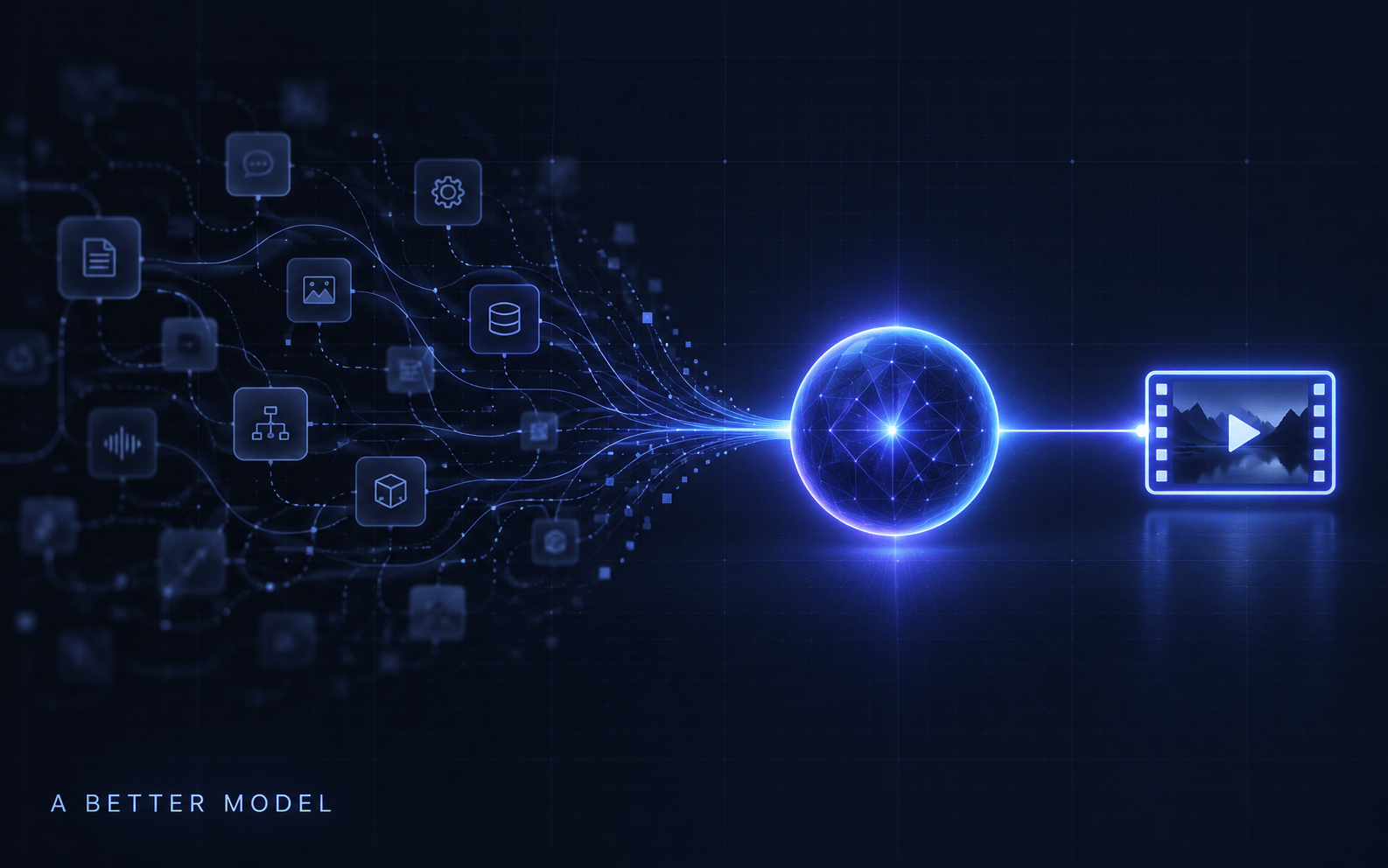
The spec and prompts that generated the code are more valuable than the code itself.
Author: James Phoenix | Date: November 2025
The Insight
Code is a derivative. The prompts and specs that generated it are the source.
Spec + Prompts → LLM → Code
If you lose the code, you can regenerate it from the prompts. If you lose the prompts, you’re back to reverse-engineering intent from code.
The conversation history is the asset.
Why Conversations Matter
- Intent is captured - The “why” behind decisions
- Iterations are visible - Dead ends, pivots, refinements
- Context is preserved - What you knew at the time
- Regeneration is possible - Run the same prompts, get similar code
- Knowledge extraction - Mine conversations for patterns and learnings
Strategies for Preserving Conversations
Strategy 1: Central Repository Archive
Copy all Claude conversation files to a central location per repo.
# .claude/hooks/post-session.sh
#!/bin/bash
ARCHIVE_DIR=".claude/conversation-archive"
mkdir -p "$ARCHIVE_DIR"

# Copy conversation to archive with timestamp
TIMESTAMP=$(date +%Y%m%d-%H%M%S)
cp ~/.claude/conversations/current.json "$ARCHIVE_DIR/$TIMESTAMP.json"
Structure:
.claude/
├── conversation-archive/
│   ├── 20251126-143022.json
│   ├── 20251126-171845.json
│   └── 20251127-092311.json
└── commands/
Pros: Simple, all in repo, version controlled Cons: Large files, may contain sensitive data
Strategy 2: Git-Based Conversation Commits
Commit conversation snapshots alongside code changes.
# After significant work
git add .claude/conversations/
git commit -m "chore: archive conversation for feature X"
Or automate with a hook:
# .git/hooks/pre-commit
if [ -d ".claude/conversations" ]; then
  git add .claude/conversations/
fi
Pros: Conversations tied to commits, full history Cons: Bloats repo, needs .gitignore tuning
Strategy 3: External Knowledge Base Extraction
Extract key insights to a separate knowledge base (not raw conversations).
# .claude/commands/extract.md
Review this conversation and extract:

1. Key decisions made and their rationale
2. Problems encountered and solutions
3. Patterns that should be documented
4. Anything that should go into CLAUDE.md

Output as a markdown document for the knowledge base.
Structure:
knowledge-base/
├── sessions/
│   ├── 2025-11-26-auth-implementation.md
│   ├── 2025-11-26-api-refactor.md
│   └── 2025-11-27-bug-fixes.md
└── extracted-patterns/
Pros: Curated, searchable, no raw noise Cons: Requires manual extraction step
Strategy 4: Conversation Sync to Cloud Storage
Sync conversations to cloud storage for backup and cross-machine access.
# Cron job or post-session hook
rsync -av ~/.claude/conversations/ \
  "s3://my-bucket/claude-conversations/$(basename $PWD)/"
Or use a dedicated folder with cloud sync:
~/Dropbox/claude-conversations/
├── repo-name-1/
├── repo-name-2/
└── repo-name-3/
Pros: Automatic backup, accessible anywhere Cons: Cloud dependency, potential privacy concerns
Recommended Approach
Combine strategies based on needs:
| Goal | Strategy |
|---|---|
| Simple backup | Strategy 1 (archive folder) |
| History with code | Strategy 2 (git commits) |
| Searchable learnings | Strategy 3 (extraction) |
| Cross-machine access | Strategy 4 (cloud sync) |
Minimum viable setup:
- Archive conversations locally (Strategy 1)
- Run
/extractor/retroat session end (Strategy 3)
The Spec as Source of Truth
Beyond conversations, maintain specs as first-class artifacts:
specs/
├── features/
│   ├── auth-flow.md
│   ├── payment-integration.md
│   └── notification-system.md
└── architecture/
    ├── api-design.md
    └── data-model.md
When you need to regenerate or modify code:
# Prompt
Given the spec in `specs/features/auth-flow.md`, implement the login endpoint.
The spec persists. The code can always be regenerated.
Key Takeaway
Code is ephemeral. Prompts, specs, and conversations are the durable assets.
Treat them accordingly:
- Archive conversations
- Version control specs
- Extract learnings systematically
See Also
- Learning Loops - Conversations as compounding assets
- Ad-Hoc Flows to Deterministic Scripts - Converting prompts to reusable scripts
- ADRs for Agent Context - Documenting decisions as durable artifacts
- Building the Harness - Meta engineering layer
- Writing a Good CLAUDE.md - Where extracted knowledge lives