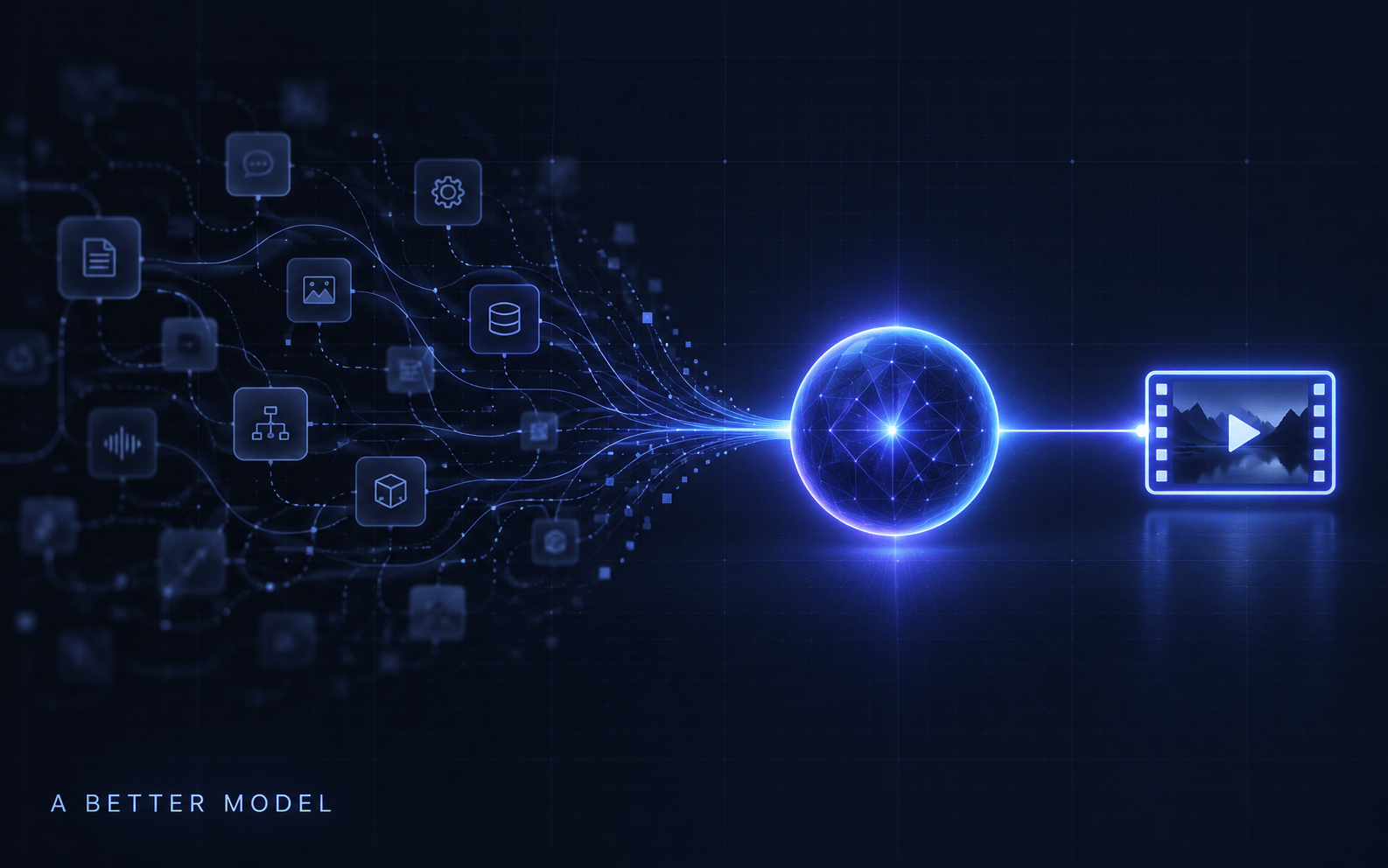
The bottleneck has shifted from execution to signal detection.
The Shift
The cost of extracting knowledge and turning it into working systems has collapsed to near zero. This changes the game entirely.
Before: someone has a high-value idea. Implementing it required weeks of manual research, reading papers, reverse-engineering concepts, building prototypes from scratch. The execution cost was the bottleneck. Most good ideas died because the research-to-implementation gap was too wide.
Now: cutting-edge research papers, YouTube transcripts from domain experts, niche blog posts, conference talks. All of it can be fed directly into an execution layer. An idea that would have taken weeks of investigation now takes minutes to prototype. The extraction cost rounds to zero.
The New Bottleneck
The scarce resource is no longer “can we build this?” It is:
- Signal detection - Finding the ideas worth extracting in the first place
- Source curation - Knowing which people, papers, channels, and communities produce consistently high-signal output
- Sorting and ranking - Distinguishing gems from noise when you can process 100x more input than before
- Taste - Deciding which extracted knowledge is actually useful for your specific context
The job is now closer to mining than manufacturing. You sift through large volumes of raw material looking for nuggets. The refining step (turning nugget into working code or system) is essentially free.
Implications
- Reading widely beats reading deeply. Skim 50 sources and extract the 3 that matter rather than studying 1 source exhaustively.
- Your intake system is your competitive advantage. The person with better filters, better sources, and better taste compounds faster.
- “I had the idea first” matters less than ever. Everyone can execute. The edge is in finding ideas others miss and combining them in ways others don’t.
- Research debt is gone. Previously, understanding a complex paper or technique required significant upfront investment. Now you can extract the core insight and validate it against your codebase in a single session.